RELIABLE IT SERVICES THAT PROTECT YOUR BUSINESS
We Help Small Businesses in Texas Stay Secure, Efficient, and Stress-Free



We’ve Never Been Known as Big Talkers
And We Think that’s a Good Thing. At Corptek Solutions, We Prefer to Let Results Speak for Us

“Corptek has taken care of our IT needs for many years. They are knowledgeable, professional and courteous. The techs are always patient with our level of or lack of techie knowledge and have solved many computer issues from the very simple to the most complicated. We have never been disappointed.”

MONICA CAPUANO
Texas
“Corptek has taken care of our IT needs for over 12yrs. They are always easy to work with and professional. They have solved many computer issues from the very simple to the most complicated. We have never been disappointed.”

Patty Reid
Texas
“Jason and his team have been great to work with! We utilized their services for an email migration from one platform/account to a new one, and it could not have gone smoother. Jason was always available and accessible to answer all questions throughout the process. I still reach out to him from time to time for ongoing support, and he continues to be a huge help. 5/5 stars for sure!”

Patrick Beachner
Texas

60sec
Fast, reliable support

20+yrs
Hands-on experience

24/7
Monitoring & support
Tired Of Dealing With The Same IT Problems?

Jason Ricketts
President
Your Technology Should Work for You, Not Against You.
When IT issues pile up and your IT support provider keeps falling short, the impact goes beyond frustration. Downtime, security gaps, and slow support quietly and consistently drain your productivity and put your business at risk. Corptek Solutions has spent over 20 years helping Dallas-Fort Worth businesses replace the cycle of recurring IT problems with proactive support that prevents issues before they start. Our local team responds in 60 seconds, knows your systems inside and out, and treats your business like it matters, because it does.
You deserve an IT partner who shows up fast, communicates clearly, and keeps your business protected around the clock, no matter what. If your current Texas IT services provider isn't delivering that, let's talk about what's possible.
Call Corptek Solutions today at (817) 270-9555 to get started.
We're There When You Need Us
Rapid-response IT ensures your calls are answered quickly, issues are resolved without delay, and your business continues running smoothly, minimizing downtime and keeping your team productive and focused on what matters most.
When You Have Rapid-Response IT

60-Second Response Time
When something breaks, you hear from us in 60 seconds, not 60 minutes, so your team gets back to work fast and stays productive.

Always-On Monitoring
Our systems watch your network around the clock so threats and failures get caught before they become costly problems affecting your business.

Local Team, Real Access
Our Fort Worth technicians know your setup personally and can be on-site quickly when remote support isn't enough to get you sorted.

Tailored IT Strategy
Every client gets a custom plan built around their specific environment, industry needs, and growth objectives without any guesswork involved.
When You Don’t Have Rapid-Response IT

No Response, No Resolution
Without fast IT support, small technology issues escalate into hours of downtime that frustrate staff and stall operations completely.

Blind Spots Go Undetected
Unmonitored networks leave vulnerabilities open, giving cybercriminals and system failures room to cause serious damage.

Generic, One-Size Support
Cookie-cutter IT plans ignore your actual needs, leaving gaps in coverage that slow your business, increase risk, and create unnecessary operational inefficiencies.

Reactive-Only Approach
Waiting until something breaks means paying more, losing more time, and absorbing damage that prevention would have stopped.
Get IT Support That Actually Helps
Book a free consultation to see how our IT services actually make life easier for your business.
Our Approach To Service
The way we work is just as important as the results we deliver. These four principles shape every decision we make and every client relationship we build, every single day.

Honest Guidance
Corptek gives you straight answers about your IT environment, and exactly what needs to change to protect your business.

Local Commitment
We're a Fort Worth team serving Fort Worth businesses every single day. That means a partner who knows your community.


Proven Experience
With over 20 years serving Dallas-Fort Worth, we bring deep technical knowledge and industry-specific expertise.

Full Accountability
When something goes wrong, we own it and we fix it fast because your trust matters more than any support ticket.
Our Clients Are Better at Explaining Why you Should Work With Us, So We Let Them Do the Talking...

Flawless Execution from Planning to Post-Support
We recently overhauled our cobbled together collection of PC's & added a server to our system. Our experience with Corptek Solutions has been fantastic! Neil & Jason are the best. They have consistently gone above & beyond our expectations in response & communication. In addition they have offered up powerful recommendations which have amplified our productivity considerably. I would highly recommend them to anyone with a need for a superior customer experience regarding IT.

Fast Fixes from Friendly Experts
I had an issue logging into Microsoft as well as setting up a new employee's account. After spending hours trying to figure it out, we reached out to Corptek. Devin was absolutely amazing! He quickly identified the problem, set up our profiles correctly, and had us up and running in no time. His expertise and efficiency saved us so much frustration. Every time I work with Devin, he is incredibly friendly, helpful, knowledgeable, and always knows the right solution! Highly recommend Corptek for their outstanding IT support!

A Team That Truly Cares and Always Delivers
Jason and his team are awesome! They are extremely knowledgeable about what they do. They care a lot about their clients, and are available anytime there is an emergency situation. The turnaround response time is impeccable. Our firm is so blessed to have found Corptek Solutions when we did. With Corptek, we now have peace of mind when it comes to problems that arise that are beyond our expertise. They are passionate about what they do, and it shows in their work. I would recommend Corptek to anyone.
Frequently Asked Questions
How Do I Know if My Business Actually Needs Outside IT Support?
Most businesses feel fine until something breaks at the worst possible moment. Proactive support keeps small issues from becoming expensive, disruptive problems.
What Does Remote Monitoring Actually Do for My Business?
Our systems watch your network around the clock, even when your office is closed. Issues are caught and resolved before they ever affect your workday.
Are Your Cybersecurity Services Really Built for Small Businesses Like Mine?
We build protection around what your business actually uses, not a generic package. You get enterprise-level security without the enterprise price tag or complexity.
Will Switching to an IP Phone System Actually Disrupt My Business Operations?
IP phone systems give you clearer calls, more features, and lower monthly costs. We handle the entire setup so the transition is smooth and the team stays connected.
Find Out What Responsive IT Support Really Looks Like
Corptek Solutions brings 20 years of Dallas-Fort Worth experience, a 60-second response guarantee, and a proactive approach that keeps your systems secure and your team productive every single day.
Pick up the phone and call (817) 270-9555, or click below to book your free 15-minute discovery call and find out what reliable IT actually feels like.
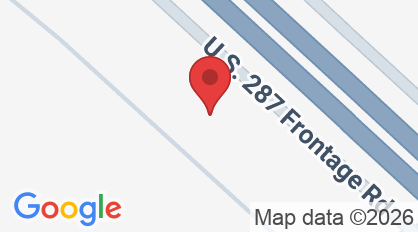
Headquarters
733 U.S. 287 Frontage
Rd Suite 401
Mansfield, TX 76063