Fort Worth Stockyards: Where Texas History Comes Alive
There are places you visit, and places you feel, and the Fort Worth Stockyards is unmistakably the latter. Step off the main road and the worn brick streets, the smell of leather and hickory smoke, and the sound of boots on wooden planks pull you straight into another era. Fort Worth earned its nickname "Cowtown" here, and this historic district carries that identity with genuine pride rather than just nostalgia.
Whether you're a first-time visitor to Fort Worth or someone who's passed through a dozen times, the Stockyards has a way of showing you something new every time.
The Stockyards survived because the work behind the scenes never stopped. Your Fort Worth business operates the same way, with consistent effort that no customer ever sees.
Choose a Fort Worth Managed Services Provider that handles the work most people never see
What looks at first like a Western theme park is actually a working district built on cattle, leather, and one of the most concentrated stretches of Texas history anywhere.
A District Shaped by the Cattle Trade
Long before Fort Worth was the sprawling city it is today, this corner of Texas was one of the most important cattle trading hubs in the entire country. The Stockyards officially opened in the late 1800s as Fort Worth positioned itself along the Chisholm Trail, and cattle by the millions passed through these pens on their way to markets across the nation.
At its peak, the Fort Worth Stockyards was processing more livestock than almost anywhere else in the South. Meatpacking plants, trading floors, and livestock exchanges made this part of Fort Worth a place where real fortunes were made and lost on the backs of longhorn cattle. When the industry shifted in the mid-twentieth century and the live animal markets wound down, the district could have faded quietly. Instead, Fort Worth chose to preserve it.
Today, the Fort Worth Stockyards National Historic District stands as a living record of that era, with original brick buildings, restored storefronts, and working livestock facilities that keep the spirit of the old West grounded in something real.
The Daily Cattle Drive
If you see only one thing during your time at the Fort Worth Stockyards, make it the cattle drive. Twice a day, a herd of Texas Longhorns is driven down Exchange Avenue by cowboys and cowgirls on horseback, just as cattle were driven through Fort Worth more than a century ago. It is not a performance in the theatrical sense. The animals are real, the cowboys work them with practiced calm, and the whole scene unfolds right on the open street with no barriers between you and the herd.
Watching it happen in the middle of Fort Worth, with the historic Exchange Building as a backdrop, is one of those moments that travels well in memory.
Wherever crowds gather, risk follows. The same is true for your Fort Worth business systems as your team and customer base grow.
Talk to a Cybersecurity team in Fort Worth about staying a step ahead
Rodeo Nights at Cowtown Coliseum
The Cowtown Coliseum sits at the center of the Stockyards and has been hosting rodeos since it opened in the early 1900s. It was the site of the world's first indoor rodeo, a Fort Worth distinction that still resonates today. Weekend rodeos here draw competitive riders and ropers who put real skill on display in front of a crowd that knows what they're watching.
The energy inside the Coliseum is different from arenas you may have visited elsewhere. It feels earned. Fort Worth crowds take their rodeo seriously, and that passion is contagious even if you've never watched the sport before.
The Stockyards Museum and Walking Tours
For those who want to go deeper into what made Fort Worth's Stockyards the place it became, the Stockyards Museum is worth a long visit. Housed in a historic building along Exchange Avenue, it holds an impressive collection of artifacts, photographs, and records that trace the full arc of the cattle industry in Fort Worth. Old branding irons, livestock auction documents, and photographs of the Exchange in its busiest years make history feel close rather than distant.
Guided walking tours of the district are also available and run several times throughout the day. A knowledgeable guide leads you through the blocks of Fort Worth's Stockyards and brings the storefronts, alleyways, and hidden corners to life with stories that don't make it into textbooks.
Live Music, Dining, and Western Shopping
The Fort Worth Stockyards come fully alive after dark. Billy Bob's Texas, billed as the world's largest honky-tonk, anchors the entertainment side of the district with live music, dancing, and a bull-riding arena under one roof. Local and national country and roots acts perform here regularly, and the venue itself has decades of history built into its walls.
Bars, saloons, and restaurants line the streets with options ranging from classic Texas barbeque to cold beers on open patios. If you're in Fort Worth for the first time and wondering where to spend an evening, the Stockyards gives you more options in a few square blocks than most cities offer across an entire entertainment district.
Western wear shops, boot makers, saddlers, and gift stores fill the storefronts. Fort Worth has always had a strong Western retail culture, and the Stockyards is where that tradition is most concentrated. Whether you're looking for custom boots or just a well-made belt, the craftspeople here take their work seriously.
Nearby Attractions in Fort Worth Worth Pairing
The Stockyards sits on the north side of Fort Worth, about ten minutes from downtown. From here, visitors often make their way south to the Fort Worth Cultural District, which houses several of the finest art museums in Texas. The Kimbell Art Museum, the Amon Carter Museum of American Art, and the Modern Art Museum of Fort Worth are all within a short drive of each other and make for a striking contrast with the Western character of the Stockyards.
Fort Worth's downtown Sundance Square is another natural follow-up to a Stockyards visit, offering dining, shopping, and live entertainment in a walkable environment. The Fort Worth Water Gardens, located near the convention center, is a short drive from downtown and worth adding to any Fort Worth itinerary.
Tips for Planning Your Visit
The Fort Worth Stockyards is open to visitors every day, and most of the outdoor areas are free to explore at any time. The cattle drives happen at midday and in the late afternoon, so timing your arrival around one of those can anchor your day. Weekends tend to draw larger crowds, particularly during rodeo season and around major Fort Worth events, so arriving earlier in the day gives you more breathing room.
Parking is available in several lots around the district, and the streets are walkable once you're there. Comfortable footwear is a good call since you'll likely cover more ground than expected once you start exploring.
Fort Worth summers run hot, and the Stockyards offers plenty of shaded spots and air-conditioned venues if you need a break from the Texas heat. Winter visits have their own appeal with fewer crowds and a quieter, more intimate feeling around the district.
The Fort Worth Stockyards is the kind of place that rewards visitors who slow down. Give yourself a full afternoon at minimum, and you'll leave Fort Worth with a clearer sense of what the city was built on and why locals remain so proud of it.
Fort Worth businesses run best when they are supported by Fort Worth teams.
Get matched with trusted IT Support Services in Fort Worth that help local businesses stay secure, productive, and connected.
Driving/Walking Directions From Corptek Solutions | Managed IT Services and IT Support Company Fort Worth to Fort Worth Stockyards
Driving Directions to the next POI, Fort Worth Water Gardens

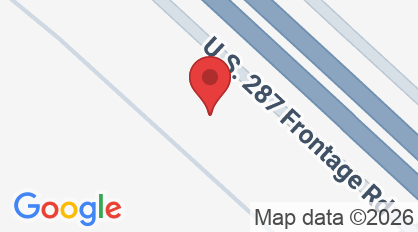
Headquarters
733 U.S. 287 Frontage Rd,
Suite 401, Mansfield,
TX 76063, United States
Fort Worth, TX
777 Main Street,
Suite 600, Fort Worth,
TX 76102, United States
Frisco, TX
6160 Warren Parkway,
Suite 100, Frisco,
TX 75034, United States
Allen, TX
1333 W McDermott Dr,
Suite 200, Allen,
TX 75013, United States