Fort Worth, Texas City Guide: Explore the Top Iconic Destinations
Discovering Fort Worth, Texas
Fort Worth, Texas, has a personality all its own. Western roots, world-class art, big stadium atmosphere, and quiet green spaces all live together in a city that has grown without losing its sense of place. From cattle drives down Exchange Avenue to chamber music in the Cultural District, Fort Worth offers visitors a remarkable mix of experiences that few cities of any size can match. Whether you call Fort Worth home or you are visiting for the first time, the city's landmarks tell the story of how a frontier outpost grew into one of the most distinct destinations in Texas.
This guide walks through ten of the most notable attractions across Fort Worth, Texas. Each spot reflects a different side of the city, from green retreats and renowned museums to historic districts, downtown public spaces, and modern arenas. Whether you are planning a weekend trip, a family outing, or simply a day off the beaten path, these landmarks give you a real sense of what Fort Worth, Texas, is all about.
Table of Contents
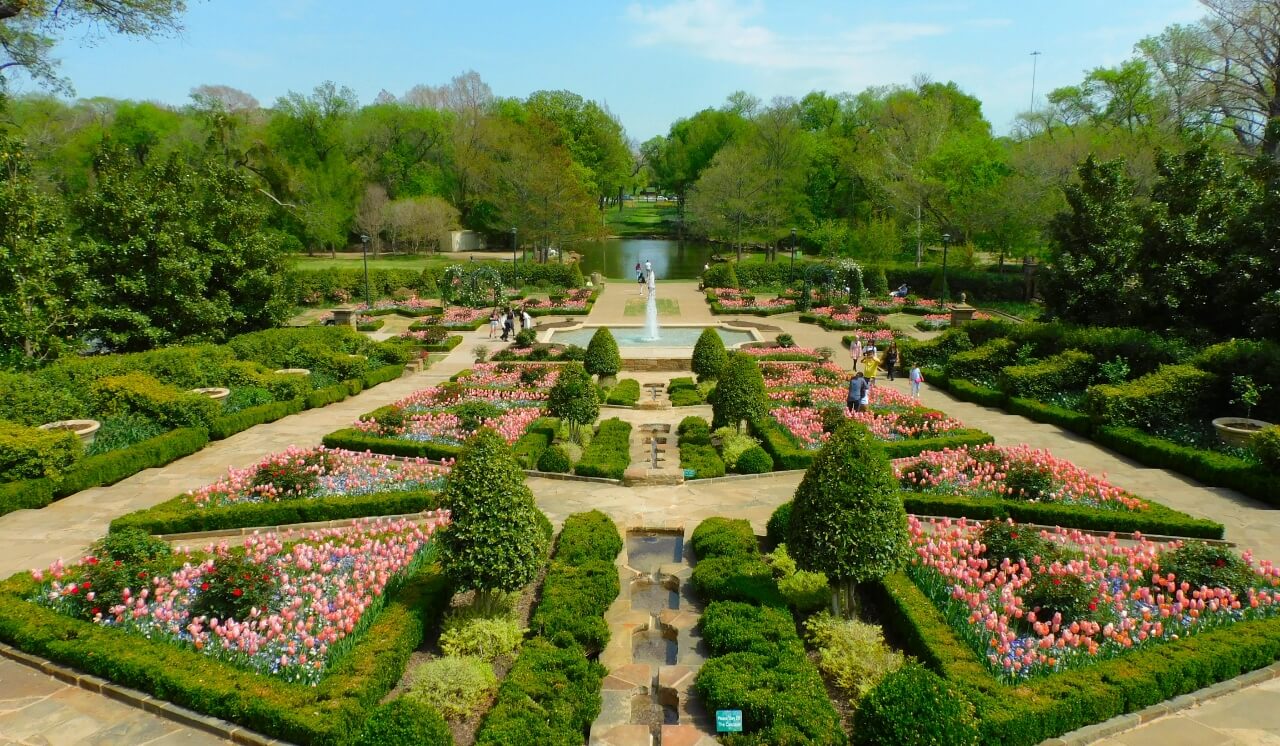
1. Fort Worth Botanic Garden in Fort Worth, Texas
The Fort Worth Botanic Garden is the oldest major botanic garden in Texas and one of the most beloved green spaces in Fort Worth. Spread across acres of themed gardens, including a celebrated Japanese Garden, a cascading Rose Garden, and a native Texas forest, the property invites visitors to slow down and take it all in. For families, photographers, and weekend wanderers, the garden is one of the most consistently rewarding stops in Fort Worth, Texas.
Best Time to Visit
Spring brings the Rose Garden into peak color, drawing weekend crowds from across Fort Worth.
Summer mornings are pleasant when you arrive at the gate opening and stick to the shaded paths in the Fort Worth garden.
Autumn afternoons give the property a softer light and cooler walks through the Fort Worth grounds.
Winter offers quiet visits when many trees show their architectural shapes against the Fort Worth sky.
Highlights
Rose Garden Terraces – The signature view that has anchored Fort Worth visits for generations.
Japanese Garden – A setting that transports you a world away from anything else in Fort Worth.
Texas Native Forest Boardwalk – A look at the natural Fort Worth that existed before development.
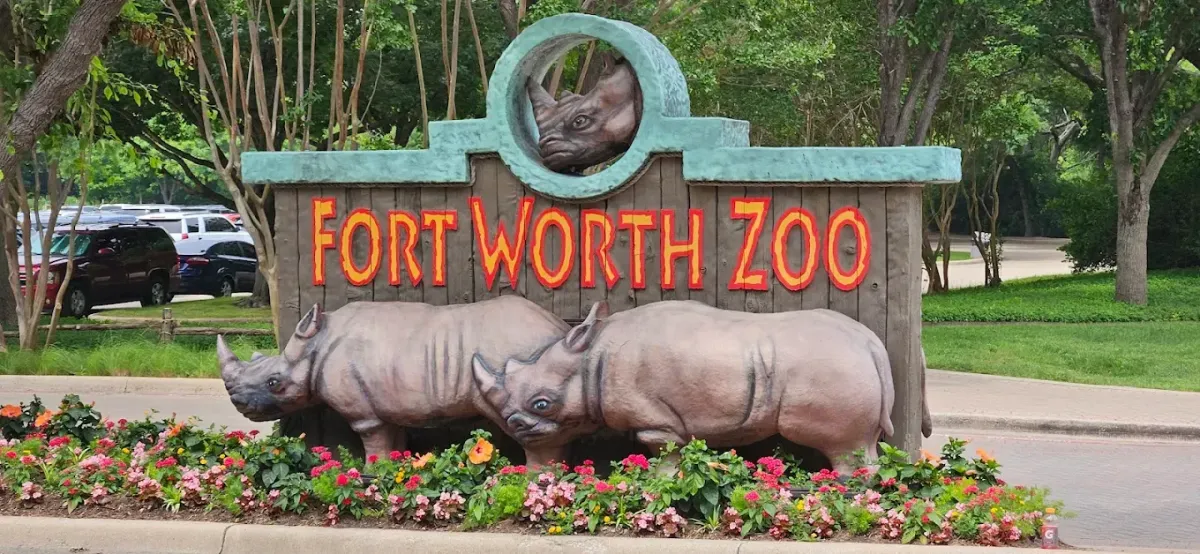
2. Fort Worth Zoo in Fort Worth, Texas
The Fort Worth Zoo is the oldest continuously operating zoo in Texas and one of the highest-ranked wildlife facilities in North America. Spread across a sprawling property next to the Cultural District side of Fort Worth, it houses thousands of animals representing hundreds of species. From the African Savanna and Asian Falls habitats to the dedicated Texas Wild section, the zoo gives Fort Worth visitors a sense of genuine travel without ever leaving the city.
Best Time to Visit
Spring brings comfortable Fort Worth weather and active animal behavior across the exhibits.
Summer mornings are the best time to walk the grounds before the Fort Worth heat sets in.
Autumn weekends offer ideal conditions for full-day visits across the Fort Worth zoo.
Winter is quieter, with smaller crowds and clearer views into many of the Fort Worth habitats.
Highlights
African Savanna – Open habitats with giraffes, rhinos, and zebras that draw Fort Worth families back year after year.
Texas Wild Section – A celebration of native wildlife that connects Fort Worth visitors to the broader state.
Family Splash Pad and Carousel – Hands-on experiences that turn a Fort Worth zoo visit into a full day for younger guests.
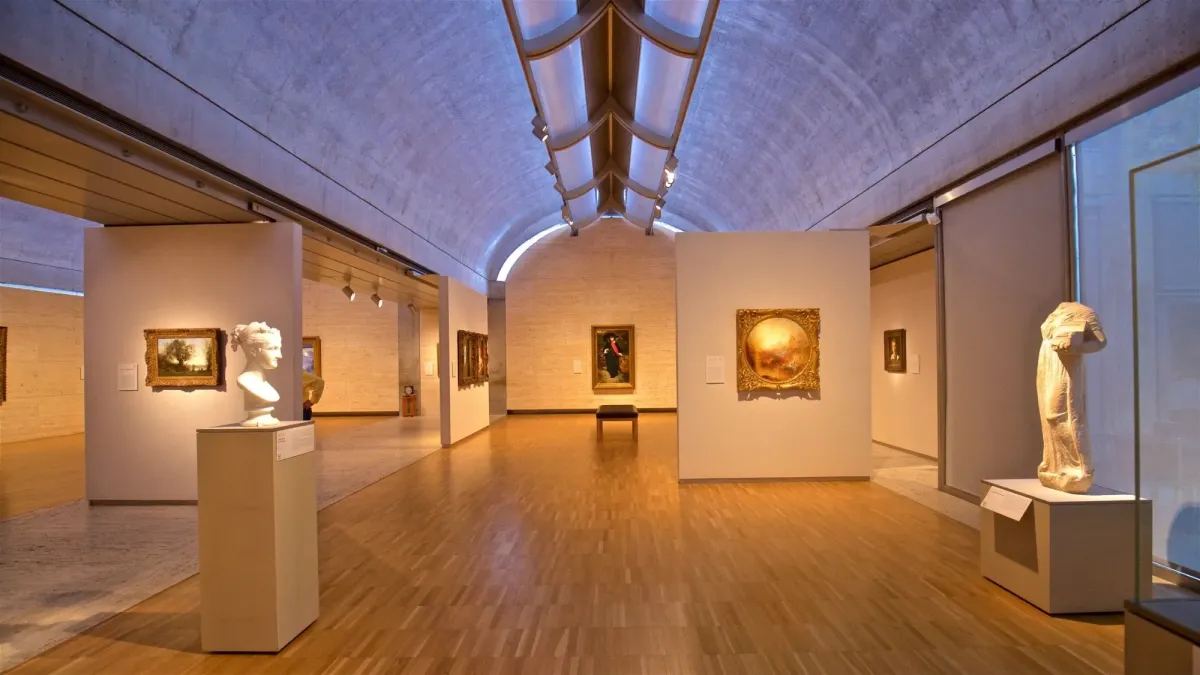
3. Kimbell Art Museum in Fort Worth, Texas
The Kimbell Art Museum is one of the most quietly important museums in the country, and Fort Worth has been its proud home since the early seventies. Housing works by Caravaggio, Rembrandt, Monet, and Matisse alongside rotating international exhibitions, the Kimbell focuses on outstanding individual pieces rather than overwhelming volume. Whether you have years of museum visits behind you or this is your first stop in a Fort Worth gallery, the Kimbell rewards every visit.
Best Time to Visit
Weekday afternoons offer the quietest galleries for unhurried viewing in Fort Worth.
Spring weekends pair beautifully with a picnic on the museum's open lawn in Fort Worth.
Summer makes the cool, naturally lit galleries one of the best indoor escapes in Fort Worth.
Autumn brings traveling exhibitions that often make Fort Worth their only American stop.
Highlights
Permanent Collection – Spans antiquity through the early twentieth century, presented with care that Fort Worth visitors notice immediately.
Louis Kahn Architecture – Studied by architects from around the world who travel to Fort Worth just to see it firsthand.
On-Site Dining – A reflecting-pool restaurant that has its own following among Fort Worth diners.
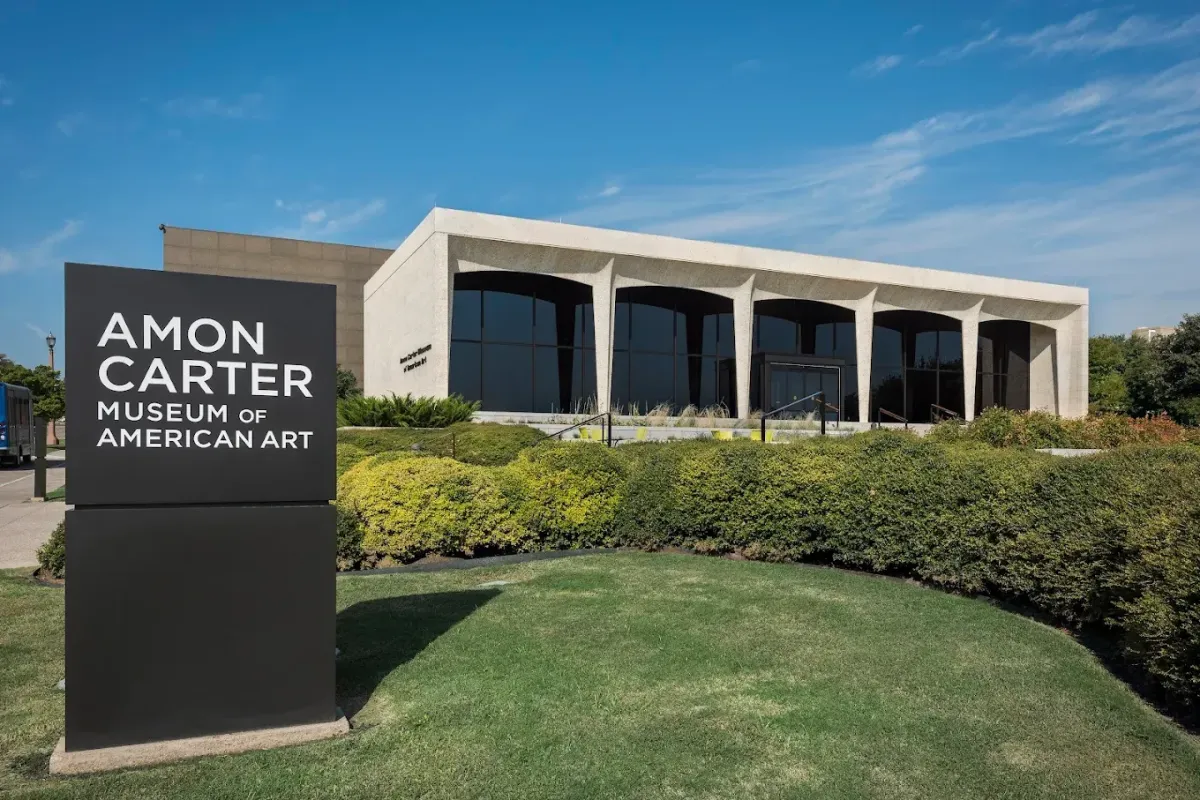
4. Amon Carter Museum of American Art in Fort Worth, Texas
The Amon Carter Museum of American Art holds one of the most comprehensive collections of American art anywhere, and Fort Worth has called the museum home for more than half a century. Founded on Amon G. Carter, Sr.'s collection of Frederic Remington and Charles M. Russell works, the museum now spans painting, sculpture, photography, and works on paper from across the country's history. Fort Worth visitors return again and again to spend time with familiar paintings or to catch a new traveling exhibit.
Best Time to Visit
Spring weekends bring family programs and pleasant weather to the Fort Worth Cultural District.
Summer afternoons offer cool, quiet galleries away from the Fort Worth heat.
Autumn is ideal for combining the Amon Carter with nearby Fort Worth museums in a single day.
Winter is a peaceful time to walk through the galleries with smaller Fort Worth crowds.
Highlights
Western Art Masterworks – The Remington and Russell pieces that originally put the Amon Carter on the Fort Worth map.
Photography Holdings – Landmark prints by Ansel Adams and Laura Gilpin that draw scholars to Fort Worth.
Philip Johnson Building – A classical front porch that has welcomed Fort Worth visitors for generations.
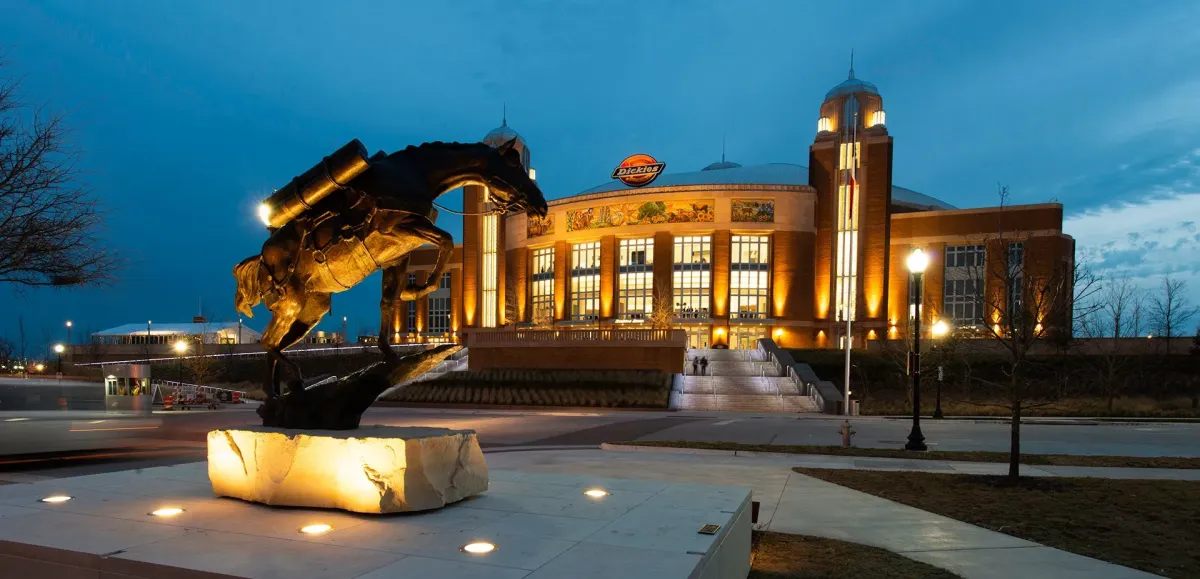
5. Dickies Arena in Fort Worth, Texas
Dickies Arena is the modern centerpiece of major events in Fort Worth, hosting the Fort Worth Stock Show and Rodeo, NCAA tournament games, world-class concerts, and just about everything in between. Its limestone exterior fits naturally into the Fort Worth Cultural District. From its spot along Harley Avenue, the arena draws fans from across Fort Worth and the surrounding region for events that fill the calendar year-round.
Best Time to Visit
January is rodeo season, when the Fort Worth Stock Show takes over the arena.
Spring and fall touring concerts bring some of the biggest names in music to Fort Worth.
Summer NCAA events and community shows keep the Fort Worth arena busy through the warmer months.
Holiday season special events add another reason for Fort Worth families to fill the seats.
Highlights
Multi-Purpose Floor – Transforms from dirt to ice to hardwood without ever feeling out of place in Fort Worth.
Acoustic Engineering – Earns the arena a spot among the best concert venues of its size on the Fort Worth touring circuit.
Cultural District Setting – Keeps the arena within walking distance of other Fort Worth landmarks.
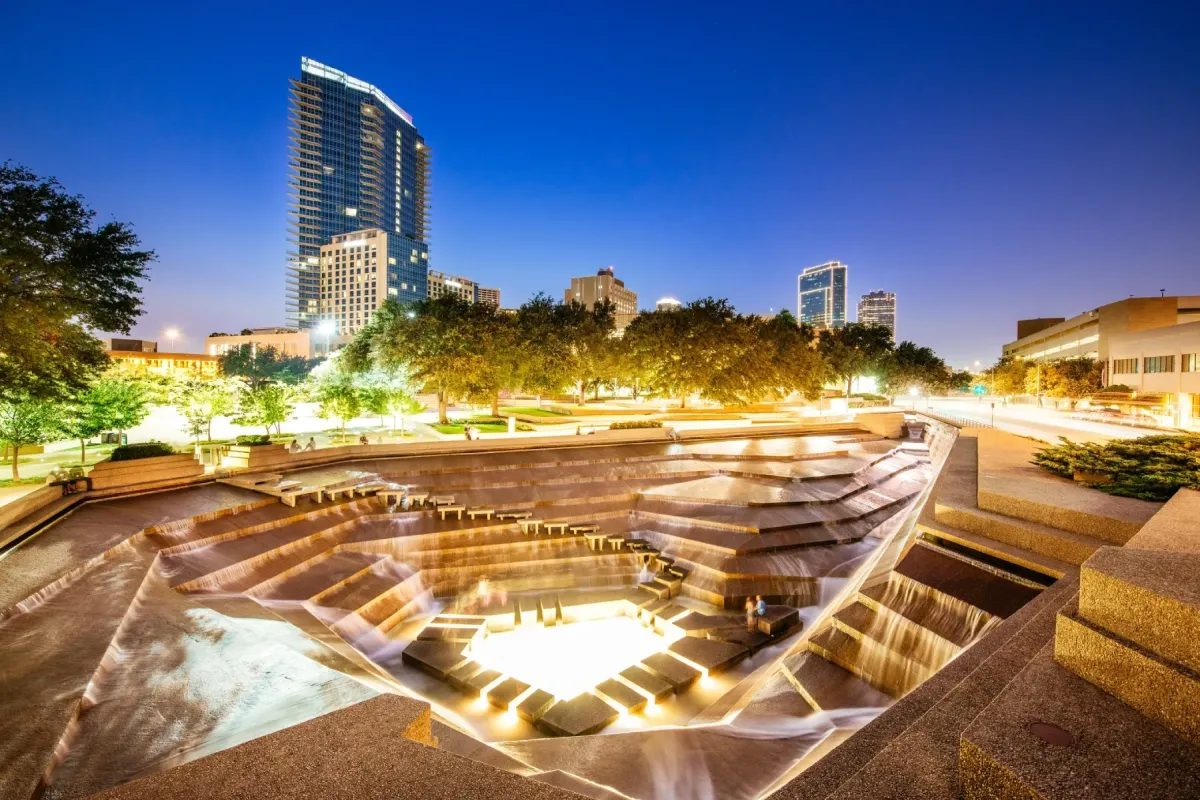
6. Fort Worth Water Gardens in Fort Worth, Texas
The Fort Worth Water Gardens occupy a full city block in downtown Fort Worth and offer one of the most surprising public spaces in any Texas city. Designed by Philip Johnson and John Burgee and opened in the mid-seventies, the gardens trade traditional greenery for bold concrete geometry, terraced pools, and cascading water that pulls visitors deep into the space. Whether you have a few minutes between meetings or an afternoon to spend, the Water Gardens leave an impression on every Fort Worth visit.
Best Time to Visit
Spring afternoons match comfortable temperatures with the full sensory experience of the Fort Worth pools.
Summer turns the mist of the active and aerating pools into welcome relief from the Fort Worth heat.
Autumn brings softer light that flatters the bold concrete forms across the Fort Worth gardens.
Evenings after dark transform the space when the lighting comes on in downtown Fort Worth.
Highlights
Active Pool – A dramatic terraced cascade that visitors can descend into for the most immersive Fort Worth water experience.
Aerating Pool – Synchronized jets that create a shifting curtain of mist in downtown Fort Worth.
Quiet Pool – A still, reflective counterpoint surrounded by cypress trees in the middle of downtown Fort Worth.
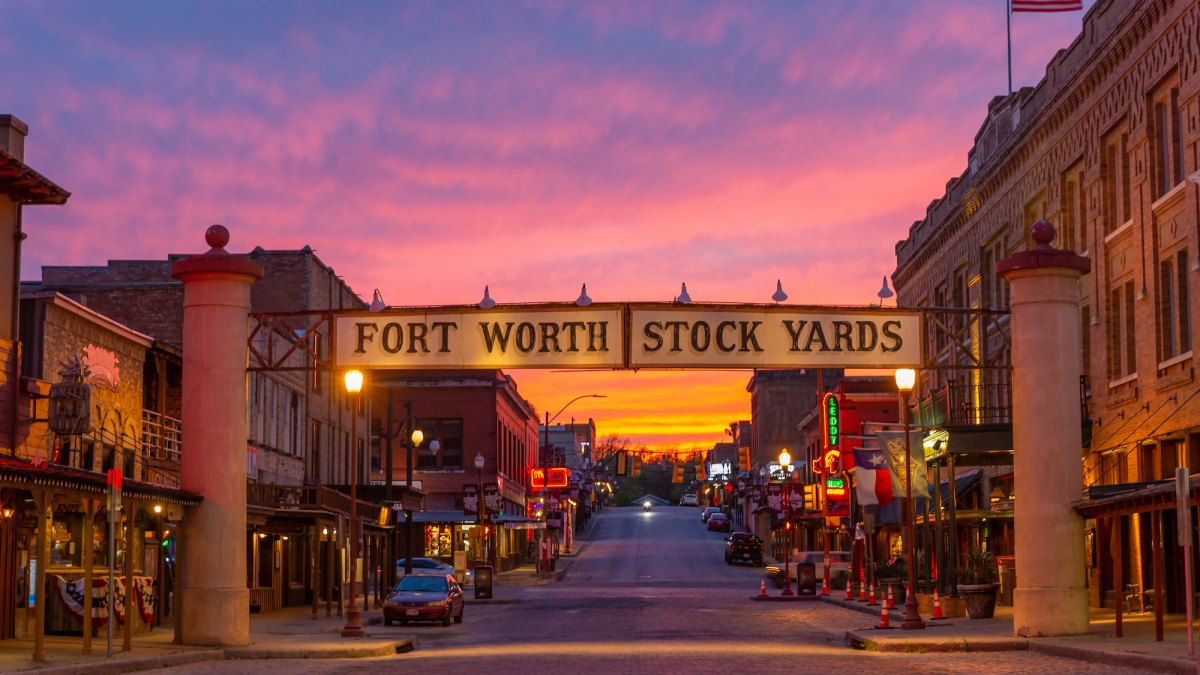
7. Fort Worth Stockyards in Fort Worth, Texas
The Fort Worth Stockyards National Historic District is the original cattle town quarter that gave Fort Worth its "Cowtown" identity. Brick streets, restored Western storefronts, working livestock facilities, and the famous twice-daily cattle drive down Exchange Avenue all keep the city's heritage alive in a way that feels earned rather than staged. For first-time visitors and longtime Fort Worth residents alike, the Stockyards is the corner of town where Texas history feels closest.
Best Time to Visit
Friday and Saturday evenings bring live music and the largest Fort Worth crowds to the district.
Spring afternoons pair the cattle drive with comfortable Fort Worth weather for walking the streets.
Summer runs hot, but plenty of shaded spots and air-conditioned venues keep Fort Worth visits comfortable.
Winter weekdays offer quieter, more intimate visits to the Fort Worth Stockyards.
Highlights
Twice-Daily Cattle Drive – Real Texas Longhorns moving down Exchange Avenue with cowboys alongside, anchoring every Fort Worth visit.
Billy Bob's Texas – Billed as the world's largest honky-tonk, with live music and bull riding under one Fort Worth roof.
Western Shops and Boot Makers – Storefronts that keep the Fort Worth craft and retail tradition alive across the district.
8. Cowtown Coliseum in Fort Worth, Texas
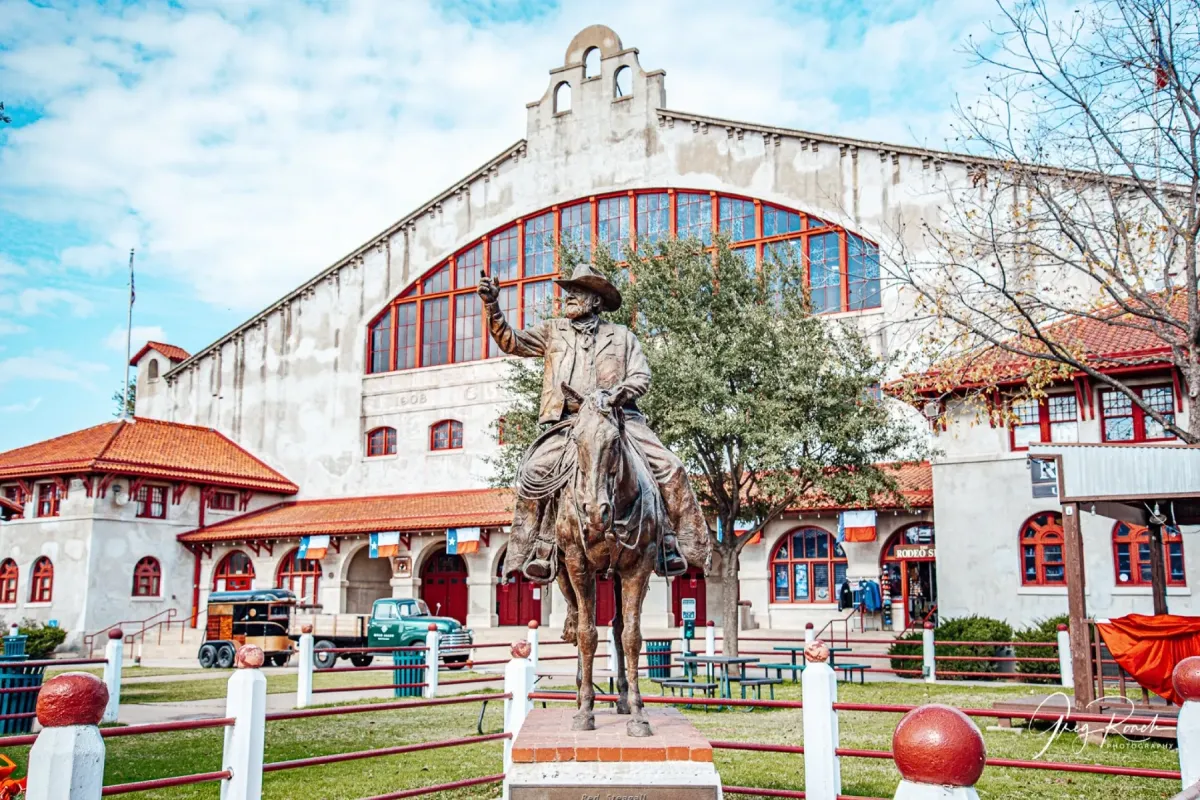
Cowtown Coliseum has anchored the Fort Worth Stockyards for more than a hundred years, and it holds the title of host to the world's first indoor rodeo. The building stands at the center of Western heritage in Fort Worth, hosting weekly rodeos, concerts, and special events that bring history to life. For visitors looking to experience the cattle town side of Fort Worth, Texas, the coliseum is the natural starting point.
Best Time to Visit
Friday and Saturday nights bring the Stockyards Championship Rodeo to life for Fort Worth crowds.
Spring afternoons pair the coliseum with the twice-daily Fort Worth Stockyards cattle drive.
Summer evenings cool down enough to enjoy the shops and music around the Fort Worth coliseum.
Autumn brings event weekends that fill the surrounding Fort Worth streets with visitors.
Highlights
Stockyards Championship Rodeo – Keeps the Fort Worth cowboy tradition alive on weekend nights.
Historic Stage – Has welcomed Elvis Presley and decades of other legendary acts to Fort Worth.
Stockyards Surroundings – Place the coliseum within steps of the most photographed Fort Worth streets.
9. Amon G. Carter Stadium in Fort Worth, Texas
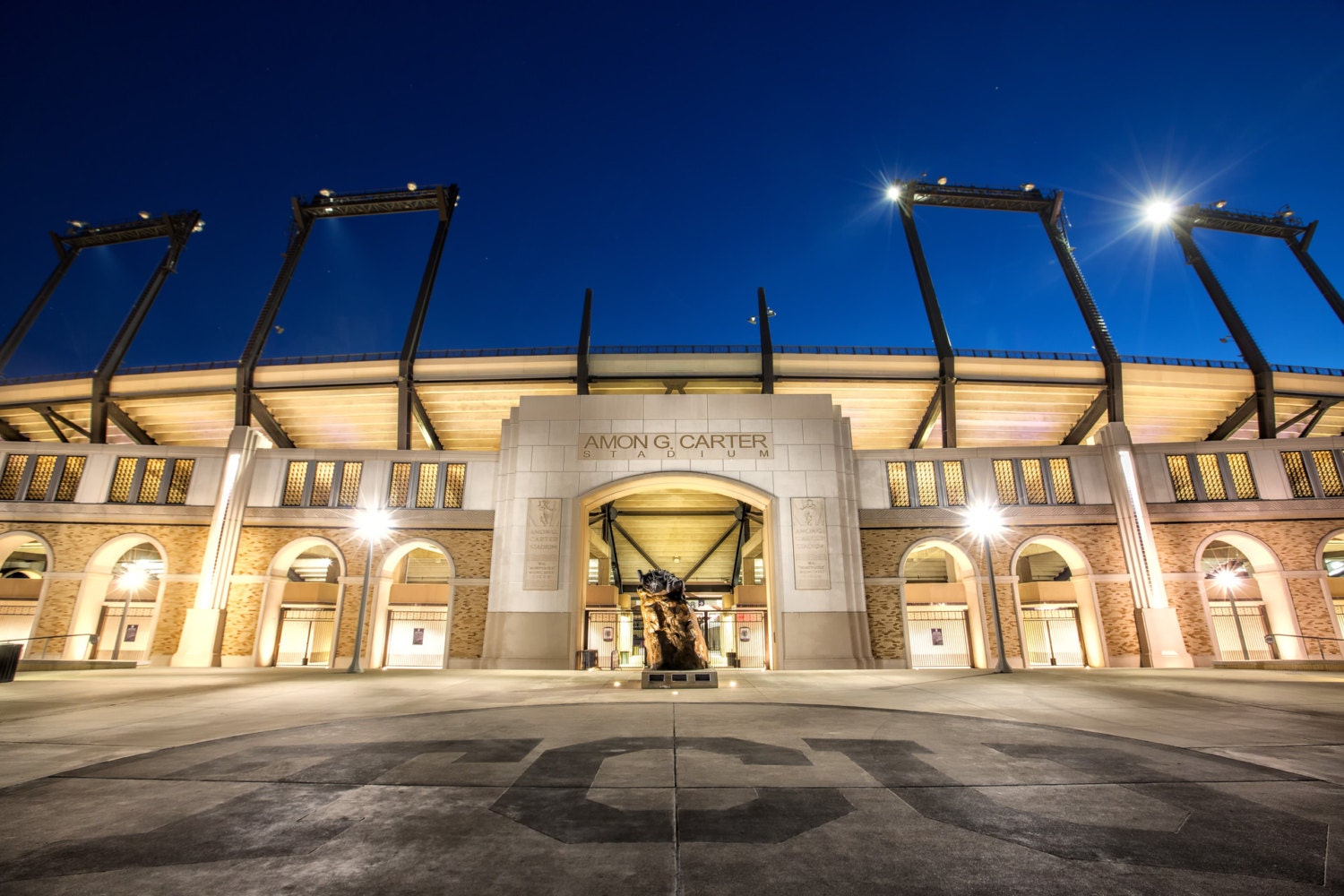
Amon G. Carter Stadium has been the home of TCU Horned Frog football since the early thirties, and it remains one of the most spirited college football venues in the country. The stadium sits on the Texas Christian University campus in the southern part of Fort Worth, and game days transform the surrounding neighborhood into a sea of purple. For Fort Worth families and visiting fans alike, an afternoon at the stadium is one of the most authentic city experiences.
Best Time to Visit
Fall Saturdays during football season are the headline experience in Fort Worth.
Spring brings campus events and quieter visits to the Fort Worth grounds.
Summer offers tours when the Fort Worth campus is at its calmest.
Winter bowl-season weekends sometimes bring the Horned Frogs back to Fort Worth for postseason action.
Highlights
Game Day Atmosphere – TCU traditions, the Frog Horn, and the loudest Fort Worth crowds of the season.
Texas Stone Architecture – Ties the modern stadium to the older parts of the Fort Worth campus.
Frog Alley Fan Zone – Turns pregame into a Fort Worth community gathering.
10. Texas Motor Speedway in Fort Worth, Texas
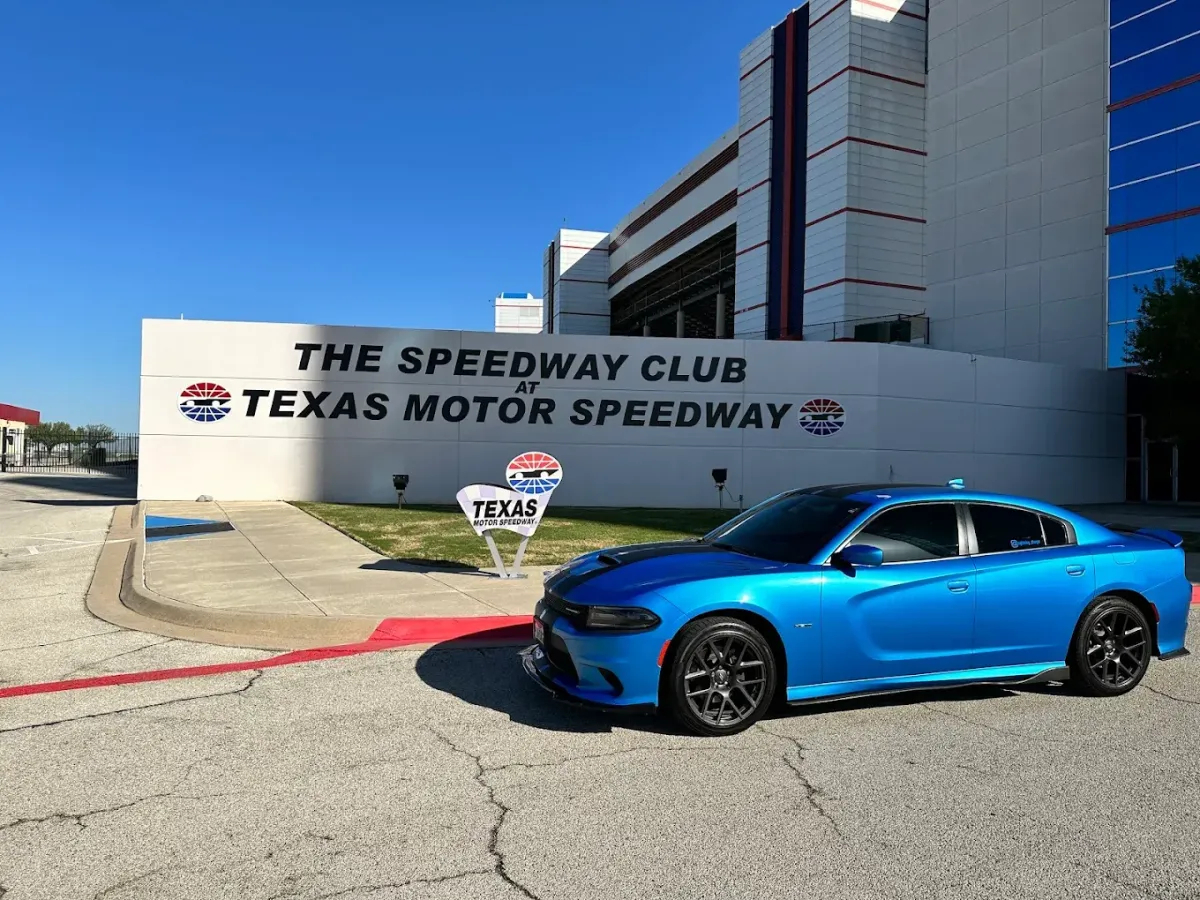
Texas Motor Speedway is one of the largest sports venues in the state and a major draw for the Fort Worth area. Located in the northern part of the Fort Worth region, the high-banked oval hosts NASCAR Cup Series weekends, IndyCar competition, motorcycle racing, concerts, and a long list of community events. For first-time Fort Worth visitors, the scale of the place is impossible to forget.
Best Time to Visit
Spring and fall race weekends are the most memorable Fort Worth experiences the speedway offers.
Summer events include concerts and driving experiences that fill the venue beyond race day.
Holiday season lights drives turn the Fort Worth parking lots into a family-friendly attraction.
Off-season tour days let visitors see victory lane and the Big Hoss board on quieter Fort Worth weekdays.
Highlights
Big Hoss Video Board – Towers above the backstretch as one of the largest screens in any Fort Worth venue.
Driving Experiences – Let guests ride along or take the wheel for a true Fort Worth speedway memory.
Race Weekend Tailgates – Turn the surrounding lots into one of the biggest social events on the Fort Worth calendar.
Why Fort Worth's Landmarks Stay With You
From green retreats to roaring arenas, Fort Worth, Texas, is a city where culture, history, and community come together in ways that feel earned. Whether you find yourself wandering the Rose Garden in spring, watching the cattle drive down Exchange Avenue, taking in a Caravaggio at the Kimbell, standing beneath the cascades at the Water Gardens, cheering at a TCU home game, or feeling the noise of a race weekend at Texas Motor Speedway, each Fort Worth landmark gives you a different way to know the city.
This guide reflects only a portion of what Fort Worth has to offer, but every spot listed here earns its place. Locals return to these venues again and again, and visitors leave with stories worth telling. As a local IT services provider working with businesses across Fort Worth, Corptek Solutions has watched the city grow into a destination that rewards both first-time visitors and longtime residents. A managed services provider keeps a close eye on what makes a community thrive, and few cities show that as clearly as Fort Worth, Texas. Plan a visit, take your time, and let the city introduce itself one landmark at a time.

Headquarters
733 U.S. 287 Frontage Rd,
Suite 401, Mansfield,
TX 76063, United States
Fort Worth, TX
777 Main Street,
Suite 600, Fort Worth,
TX 76102, United States
Frisco, TX
6160 Warren Parkway,
Suite 100, Frisco,
TX 75034, United States
Allen, TX
1333 W McDermott Dr,
Suite 200, Allen,
TX 75013, United States